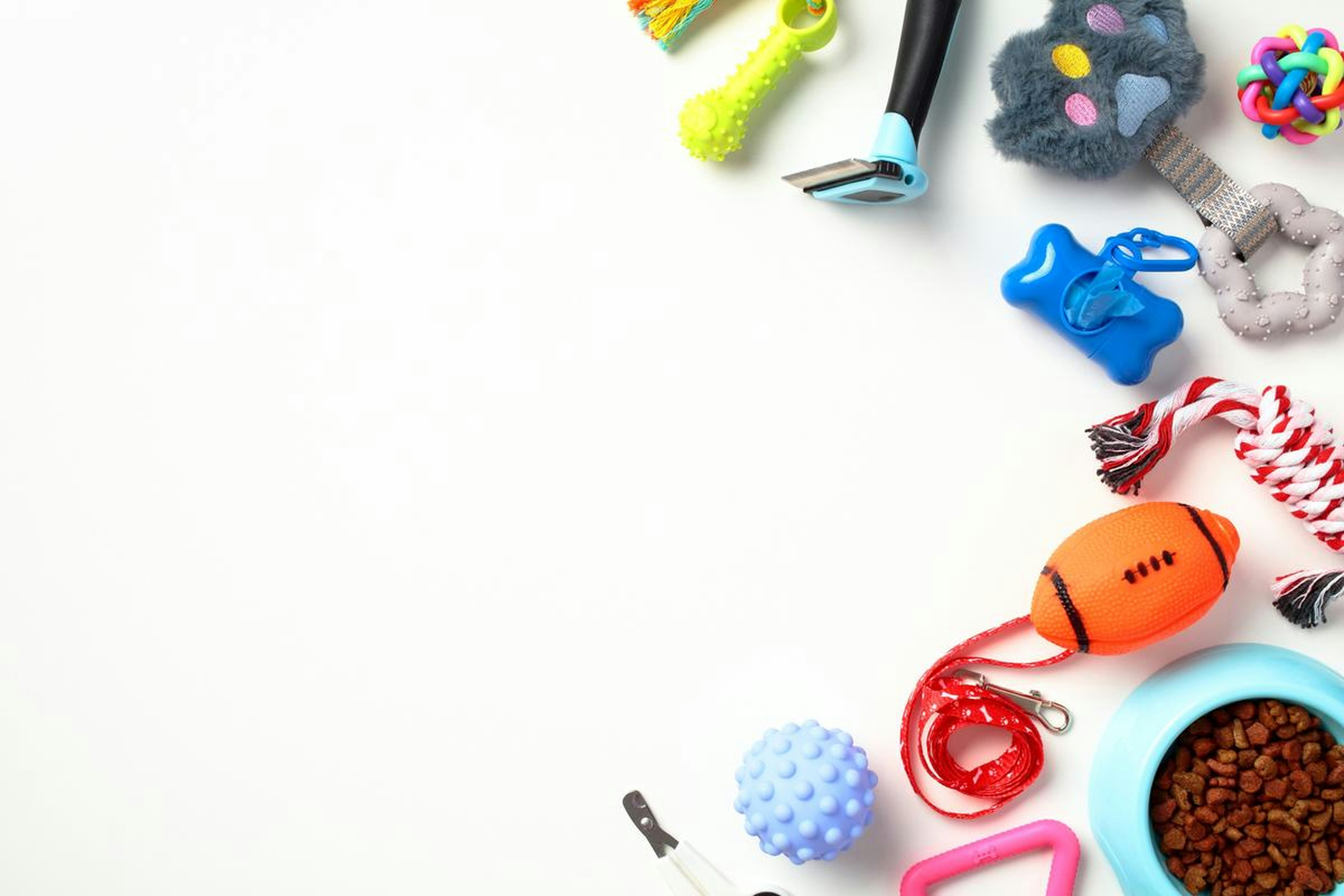
Collars and Leashes
When it comes to dog accessories, collars and leashes are among the most critical components for ensuring the safety and well-being of your furry friend. There are various types of collars available, each designed for specific functions. Common materials used for collars include nylon, leather, and cotton. Nylon collars are lightweight and water-resistant, making them ideal for daily wear, while leather collars offer durability and a classic look. Cotton collars, often softer, are suitable for puppies or dogs with sensitive skin.
Leashes also come in different styles and materials, ranging from traditional nylon leashes to retractable options that allow for greater freedom of movement. Adjustable leashes can provide versatility, catering to diverse terrains and environments. While choosing a leash is essential for walks, it also serves a critical role in training sessions. A sturdy leash can give you better control over your dog, particularly in unfamiliar or distracting situations.
When selecting a collar or leash, it is vital to ensure the proper fit. A collar should be snug, allowing for two fingers to fit between the collar and the dog’s neck, preventing it from slipping off while remaining comfortable. Meanwhile, the leash you choose should reflect your dog’s size, activity level, and training needs. Stronger leashes are recommended for larger or more energetic dogs, while lighter leashes may be suitable for smaller breeds.
In summary, both collars and leashes play an essential role in dog ownership, helping with safety during walks and training. Understanding the different types available can aid you in making the best choices for your pet’s needs.
Dog Beds and Blankets
Providing your dog with a comfortable resting place is essential for their overall well-being. Dog beds and blankets serve not only as cozy spots for your furry friend to sleep but also offer a sense of security and warmth. With many options available, it is crucial to understand the different types of beds and blankets to make an informed choice suitable for your dog’s specific needs.
Dog beds come in various styles, including orthopedic beds that support joint health, especially for older dogs or those with arthritis. Orthopedic beds typically feature memory foam or other materials designed to contour to your dog’s body, alleviating pressure points during sleep. Furthermore, raised beds with breathable mesh are ideal for warmer climates, allowing for adequate air circulation while keeping your pet off the ground.
On the other hand, cozy blankets can provide additional comfort and warmth for your dog. They can be used alone or in conjunction with a dog bed, allowing your pet to snuggle and feel secure. There are various materials available, from soft fleece to heavier thermal options, catering to different preferences and climates. Additionally, consider blankets that are machine washable for easy maintenance and cleaning.
When selecting a dog bed or blanket, it is essential to consider your dog’s size, sleeping habits, and personal preferences. Smaller breeds may benefit from snug spaces, while larger breeds need ample room to stretch out. Pay attention to whether your dog likes to burrow or prefers an open sleeping area, as this can influence the style and design you choose.
In conclusion, the right dog bed and blanket can significantly enhance your pet’s comfort and sleep quality. By considering your dog’s size, sleeping patterns, and the variety of materials and styles available, you can provide them with a restful and inviting place to relax, promoting a healthy lifestyle and happiness for your furry friend.
Dog Food and Water Bowls
The selection of food and water bowls for dogs is a crucial aspect of pet ownership that can significantly affect the well-being of your furry friend. Various materials are available for dog bowls, each with its advantages and disadvantages. Common materials include stainless steel, ceramic, and plastic. Stainless steel bowls are particularly popular due to their durability, resistance to rust, and ease of cleaning. They are also less likely to harbor bacteria compared to plastic. Ceramic bowls, while aesthetically pleasing, can be prone to chipping and breakage; however, they can be an excellent choice for dogs that are less likely to knock them over. Plastic bowls tend to be lightweight and affordable but may not withstand the wear and tear that more active dogs can inflict.
When selecting a bowl, it’s essential to consider your dog’s hydration and nutritional needs. Proper hydration is vital for your dog’s overall health, as it aids digestion, circulation, and temperature regulation. Therefore, having the right water bowl is just as essential as choosing an appropriate food bowl. Some bowls come with features designed to ensure your dog stays hydrated, such as automatic water dispensers that replenish water as needed.
In addition to materials, features such as non-slip bases and elevated designs can enhance the usability of food and water bowls. Non-slip bases help prevent the bowl from sliding during use, encouraging your dog to drink and eat without unnecessary interruptions. Elevated bowls can be beneficial for larger breeds, making it easier for them to eat and drink without straining their neck.
Finally, it is important to regularly clean your dog’s bowls, regardless of the material used. This practice helps maintain hygiene and ensures that your pet has access to clean food and water. In summary, selecting the right food and water bowls contributes to your dog’s health and comfort, making it a worthy investment for any pet owner.
Toys and Enrichment Tools
Play is an essential aspect of a dog’s life, serving not only as a source of enjoyment but also as a critical component of their overall well-being. Engaging a dog in play can foster mental stimulation, alleviate boredom, and reduce anxiety, making the selection of appropriate toys vital for any pet owner. Toys come in various types, each serving a unique purpose in contributing to a dog’s physical and cognitive development.
Chew toys are one of the foundational items for dog owners, as they cater to a dog’s natural chewing instincts while promoting dental health. Safe and durable options such as rubber chew toys or rawhide alternatives can help prevent destructive behaviors, engaging the dog in satisfying chewing activities. Meanwhile, puzzle toys, designed to challenge your dog’s problem-solving abilities, encourage mental engagement. These toys often require the dog to figure out how to access treats hidden within, which can help to keep their minds sharp and entertained.
Additionally, interactive games and toys can strengthen the bond between owner and pet, making playtime an opportunity for training and communication. Games like fetch or tug-of-war not only provide exercise but also instill discipline and reinforce good behavior when integrated with commands. Nonetheless, it is important to choose toys based on your dog’s size, age, and chewing habits. For instance, small breed dogs may need smaller, softer toys, while larger breeds may require sturdier items that can withstand heavy chewing.
When selecting toys, always prioritize safety. Look for non-toxic materials, and avoid small parts that could easily become choking hazards. Furthermore, regularly inspect toys for signs of wear and tear, replacing them when necessary. Providing a variety of toys and enrichment tools tailored to your dog’s unique preferences will lead to a happier, healthier companion.